
If you’re thinking about selling your home in Beacon, NY, or anywhere in Dutchess County, you probably have a few important questions.
What’s my house worth? How should it be priced? What does a real estate agent actually do to market my home? And how do I know I’m hiring the right person to represent me?
These are questions worth asking before you sign a listing agreement.
I’m Carlin Felder, a Beacon, NY real estate agent with eXp Realty, and I’ve been helping buyers and sellers navigate the Hudson Valley real estate market since 2019.
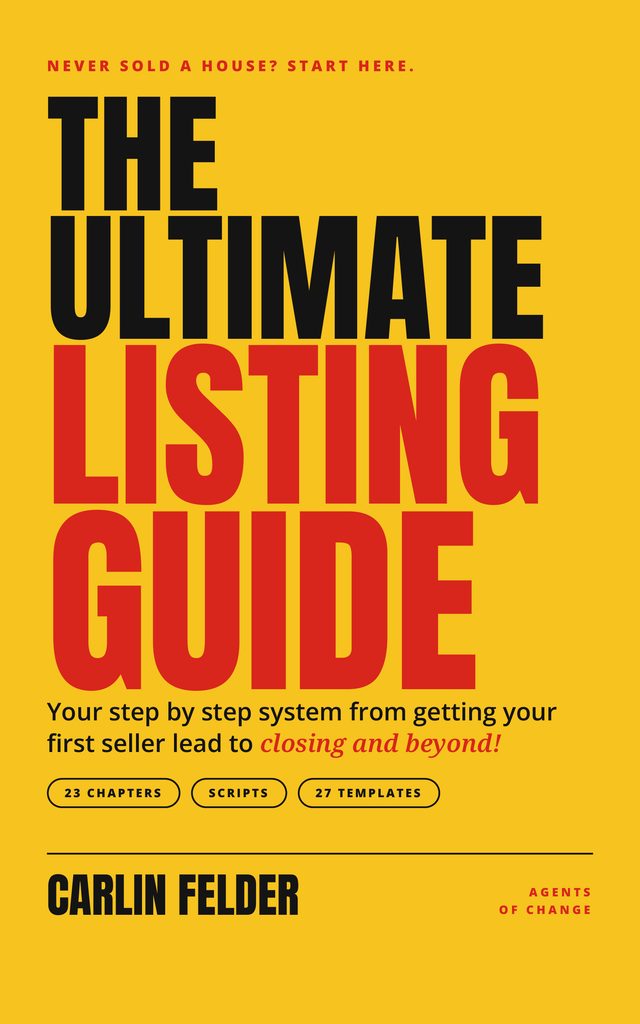
I’ve also written extensively about the listing process in my book, The Ultimate Listing Guide, a comprehensive resource for real estate agents covering everything from preparing a home for sale to managing negotiations and getting a transaction to closing.
One of the most important principles I teach is that selling a house requires a repeatable system, not simply putting a property on the MLS and hoping buyers appear.
When I represent a seller, that means developing a strategy for the property, paying attention to the market, communicating throughout the process, and making recommendations based on evidence.
Here’s what that looks like when you’re selling a home in Beacon or Dutchess County.

What Does Seller Representation Mean in Beacon, NY?
Seller representation is the professional relationship between a homeowner and a real estate agent who represents the homeowner’s interests during a property sale.
In New York, a seller’s agent owes fiduciary duties to the seller, including loyalty, confidentiality, disclosure, reasonable care, obedience to lawful instructions, and accounting.
But beyond those legal responsibilities, I believe good seller representation comes down to five things:
- Pricing your home based on market evidence.
- Preparing and marketing the property effectively.
- Keeping you informed about buyer activity and market changes.
- Negotiating offers with your financial goals in mind.
- Managing the transaction until it successfully closes.
A listing agreement is the beginning of that work, not the end.
1. Pricing Your Beacon Home Based on the Market
One of the biggest mistakes a seller can make is choosing a listing price based entirely on what they hope to receive.
Your home might be worth more to you because of the renovations you’ve completed, the years you’ve spent there, or the memories associated with it.
Buyers, however, are comparing your property against every other home available in their price range.
That’s why a strong pricing strategy starts with a comparative market analysis.
When evaluating a home in Beacon, Fishkill, Hopewell Junction, Wappingers Falls, or another Dutchess County community, I look at:
- Recent comparable home sales.
- Properties currently under contract.
- Active listings competing for the same buyers.
- Property condition, layout, size, and improvements.
- Location and neighborhood characteristics.
- Current inventory and buyer activity.
- Price ranges buyers are likely to search.
One detail sellers sometimes overlook is how buyers search online.
For example, someone looking for homes priced up to $400,000 may never see a property listed at $409,000 because it falls outside their search criteria.
That doesn’t mean every home should be priced below a particular threshold. It means pricing needs to consider how buyers actually shop.
The objective is to position your home competitively without leaving money on the table.
2. Preparing Your Home Before It Goes on the Market
In Chapter 15 of The Ultimate Listing Guide, I explain something that is central to my approach to seller representation:
A home gets one first impression when it enters the market.
Buyers who have been watching listings for weeks or months notice newly available properties. Their agents notice them, too.
If a property goes live with incomplete photographs, cluttered rooms, missing information, or poor presentation, that initial opportunity can be wasted.
This is why I believe the listing launch should be planned before the home goes active.
My pre-listing preparation process
Before a listing launches, I work through the property’s preparation needs, which may include:
- A room-by-room walkthrough to identify improvements.
- Decluttering and organizing recommendations.
- Minor repairs and maintenance.
- Professional cleaning.
- Landscaping and curb appeal.
- Staging recommendations where appropriate.
- Scheduling photography, floor plans, and other media.
- Gathering property information and required disclosures.
- Coordinating the listing timeline and showing arrangements.
Not every home needs expensive renovations or professional staging.
Sometimes the biggest improvements come from removing unnecessary furniture, repairing small problems, improving lighting, and making sure the home feels clean and welcoming.
I also believe sellers deserve realistic recommendations about what is worth spending money on before listing.
There’s little value in recommending thousands of dollars in improvements without considering whether those improvements are likely to help the sale.
3. Professional Photography and Real Estate Marketing
Before buyers experience your home in person, they usually experience it through photographs.
In my book, I describe photographs as the showing before the showing.
That principle guides how I approach real estate marketing.
In addition to my real estate career, I’m a professional photographer with a background in visual design. I understand how composition, lighting, architectural details, and the way a room is presented can influence someone’s first impression of a property.
For seller representation services in Beacon, NY, this gives me a perspective that combines real estate marketing with visual storytelling.
What should a professional listing marketing plan include?
Depending on the property, I may recommend:
Professional real estate photography: Images that accurately communicate room size, natural light, architectural details, and the character of the home.
Floor plans: Buyers often want to understand how rooms connect before deciding whether a property works for them.
Drone photography: Particularly useful for properties with acreage, views, interesting settings, or proximity to significant natural features.
Video walkthroughs: An opportunity to demonstrate the flow of a property and help buyers experience the space before visiting.
Detailed property descriptions: Writing that communicates the features, layout, improvements, and distinctive characteristics of the home.
Online marketing and agent outreach: Making property information available through appropriate listing platforms and reaching agents who may have interested buyers.
Not every listing needs every marketing tool.
A smaller home in Beacon may benefit most from photography, a clear floor plan, and strong online presentation. A property with acreage in eastern Dutchess County might benefit from aerial photography that explains the land and setting.
The strategy should fit the property rather than using the same marketing package for every home.
4. A Planned Listing Launch, Not Just an MLS Entry
Once your home is prepared and the marketing materials are ready, the next step is launching the listing.
In The Ultimate Listing Guide, I explain how important the initial days on the market can be.
Rather than entering the listing with incomplete information and adding materials later, I prefer a coordinated launch.
A typical plan might include:
Before launch: Complete the photography, prepare the property description, review listing details, organize showing instructions, and confirm that the home is ready.
Launch day: Activate the listing according to applicable MLS requirements, distribute property marketing, and make the home available for showings.
First weekend: Coordinate private showings and, where appropriate, an open house.
Following Monday: Review showing activity, buyer feedback, online engagement, and new market information.
The exact timing depends on the seller’s needs, property readiness, current market conditions, and MLS rules.
The important thing is that the launch is intentional.
I would rather take the time to prepare a property properly than rush it online before it’s ready.
5. Seller Communication: You Should Always Know What’s Happening
One of the most frustrating experiences for homeowners is hiring an agent and then wondering what’s happening with their listing.
In Chapter 16 of my book, I devote an entire section to seller communication because I believe it is one of the most important responsibilities of a listing agent.
When your home is on the market, you deserve more than an occasional phone call when an offer arrives.
I believe communication should be scheduled, consistent, and supported by information.
What should a weekly seller update include?
I recommend reviewing two categories of information.
What’s happening with your home:
- Online listing views and saves, where available.
- Private showing activity.
- Open house attendance.
- Buyer and agent feedback.
- Requests for second showings.
- Marketing completed during the week.
- Offers or developing buyer interest.
What’s happening in the surrounding market:
- New competing listings.
- Homes that have gone under contract.
- Recent comparable sales.
- Competing properties that have reduced their prices.
- Changes in buyer activity and available inventory.
For example, if your Beacon home received several showings over the weekend but no offers, it’s important to understand what buyers thought.
Did they like the house but feel the price was too high? Were they concerned about the condition? Did they prefer another property with a different layout?
That information is more useful than simply being told that the market is slow.
Every update should end with a recommendation about what happens next.
Sometimes that recommendation is to continue with the existing plan. Other times, the evidence may suggest a change.
6. What Happens If Your Beacon Home Isn’t Selling?
This is where experienced seller representation becomes especially important.
A house that hasn’t sold isn’t necessarily a house that can’t sell.
In Chapter 17 of The Ultimate Listing Guide, I explain how to diagnose a listing that isn’t receiving the expected response.
I look at five possible causes:
Price: Is the home positioned competitively against similar properties?
Presentation: Are there issues with condition, cleanliness, layout, or appearance that are discouraging buyers?
Marketing: Are the photographs, description, online exposure, and listing information doing their jobs?
Access: Is the property easy for qualified buyers to see?
Market conditions: Has inventory increased, buyer demand changed, or financing become more challenging?
The pattern of activity often provides useful clues.
If a listing receives very few online views, the first step may be to examine visibility, photographs, pricing categories, and listing accuracy.
If buyers are looking online but not scheduling appointments, the property may not appear competitive compared with other available homes.
If there are plenty of showings but no offers, feedback about the home’s condition, presentation, and price becomes particularly important.
These aren’t absolute rules, but they provide a starting point for identifying the problem.
When should you consider a price adjustment?
There isn’t one timeline that works for every property.
However, I believe sellers and agents should agree on a review schedule before the listing goes live.
If the first two or three weeks produce less activity than expected, we should examine the evidence together.
A price reduction shouldn’t be arbitrary. It should be informed by comparable sales, competing inventory, buyer feedback, and the seller’s financial objectives.
Sometimes the right response isn’t a price reduction at all. It might be better photography, additional property preparation, improved showing access, or revised marketing.
The important thing is to understand the reason for the lack of activity before deciding what to change.
7. Evaluating Offers: The Highest Price Isn’t Always the Best Deal
Receiving an offer is exciting, but a successful transaction requires more than finding a buyer willing to name an attractive price.
In Chapter 18 of my book, I explain the importance of comparing offers based on the complete financial and contractual picture.
When reviewing an offer for a home in Dutchess County, several factors matter:
- Purchase price.
- Buyer financing and preapproval.
- Proof of funds, where applicable.
- Proposed closing timeline.
- Inspection terms.
- Appraisal and financing contingencies.
- Any home-sale contingency.
- Requested credits or concessions.
- Estimated net proceeds to the seller.
Imagine receiving two offers.
One buyer offers more money but needs to sell their current home before proceeding.
Another offers slightly less but has a strong financing position and fewer transaction dependencies.
The higher offer may still be the better choice, but the risks deserve careful consideration.
My responsibility as your seller’s agent is to explain the options, evaluate the terms, and help you understand their potential impact.
Ultimately, the decision belongs to you.
What about multiple offers?
When a property attracts multiple buyers, the seller may choose to accept an offer, negotiate with one buyer, or request highest and best offers from interested parties.
Every situation is different, and the process should follow applicable laws, ethical requirements, brokerage policies, and the seller’s instructions.
A carefully managed negotiation considers not only price, but also the likelihood of successfully completing the transaction.
8. From Accepted Offer to Closing in New York
In New York, an accepted offer is generally followed by additional steps before the parties enter into a fully executed purchase contract.
Buyers commonly arrange inspections before contract signing, and attorneys typically handle the contract preparation and negotiation process.
Your real estate agent and attorney have different responsibilities, but both play important roles in keeping the transaction moving.
Once a property is under contract, there may still be several milestones to complete.
These can include:
- Confirming contract deposits.
- Coordinating lender and appraisal access.
- Monitoring mortgage commitment milestones.
- Responding to inspection-related agreements.
- Addressing title or property documentation issues.
- Coordinating the final walkthrough.
- Preparing the property for the buyer’s possession.
- Communicating with attorneys and other transaction participants.
I believe sellers should continue receiving regular updates throughout this period.
An accepted offer is an important milestone. The objective is a successful closing.
9. Seller Representation Throughout Dutchess County, NY
Beacon is my home market, but I also assist buyers and sellers throughout Dutchess County and the surrounding Hudson Valley.
Communities I serve include Beacon, Fishkill, Wappingers Falls, Hopewell Junction, Poughkeepsie, and nearby areas.
Each community has its own housing characteristics and buyer considerations.
For example, sellers in Beacon may be marketing to buyers interested in the Metro-North commute, access to Main Street, or the city’s combination of historic architecture and Hudson Valley surroundings.
A home in Hopewell Junction might attract buyers looking for a different combination of property size, location, and amenities.
A rural property elsewhere in Dutchess County may require additional consideration of acreage, wells, septic systems, or other property-specific features.
This is one reason working with a real estate agent familiar with the Hudson Valley can be valuable.
Pricing, photography, marketing, and buyer expectations should reflect the actual property and its market.
I also work with clients across the Hudson River in Newburgh and surrounding Orange County communities.
Frequently Asked Questions About Seller Representation in Beacon, NY
What does seller representation cost in Beacon, NY?
Real estate brokerage compensation is negotiable and is not established by law. The amount and structure of compensation, along with the services provided, should be discussed with your agent and documented in the listing agreement.
How do I find a good real estate agent to sell my home in Dutchess County?
Look for an agent who understands your local market, can demonstrate relevant experience, provides a clear marketing plan, and explains how you’ll receive updates throughout the listing process. Ask how they price homes, evaluate offers, and respond when a property isn’t attracting buyers.
Should I renovate my Beacon house before selling?
Not necessarily. Some homes benefit from repairs, painting, landscaping, or staging, while others may be ready to list with relatively little preparation. I recommend evaluating the likely benefits and costs before committing to significant renovations.
How long does it take to sell a home in Beacon, NY?
The timeline depends on market conditions, the property’s price, condition, location, and buyer demand. Days on market can change significantly between property types and price ranges. A current comparative market analysis can help establish realistic expectations.
What happens if my house gets showings but no offers?
Showing feedback can help identify the problem. Repeated concerns about condition, layout, or price may indicate that changes are needed. Reviewing current competing properties and recent sales helps determine whether the listing strategy should be adjusted.
Do I need a Realtor to sell my house in New York?
No. Homeowners can sell their properties without hiring a real estate agent. However, professional seller representation can provide assistance with pricing, marketing, buyer communication, negotiations, and transaction coordination.
Do you represent sellers in Newburgh, NY?
Yes. In addition to Beacon and Dutchess County, I work with real estate clients in Newburgh and surrounding Hudson Valley communities.
When should I contact a listing agent?
Ideally, before you’re ready to put your home on the market. Early planning creates time to evaluate pricing, identify worthwhile improvements, schedule photography, and prepare the listing properly.
Ready to Sell Your Home in Beacon or Dutchess County?
Selling your home deserves a plan that considers your property, the market, and what you want to accomplish.
My approach to seller representation combines local real estate experience, professional photography, organized marketing, clear communication, and informed negotiation.
I’ve spent years working with Hudson Valley real estate clients, and I’ve also developed and documented many of the processes I use in The Ultimate Listing Guide, my comprehensive real estate education book.
Whether you’re selling a historic home in Beacon, preparing to relocate from Fishkill, or evaluating your options elsewhere in Dutchess County, I’m happy to discuss your situation.
Carlin Felder | Licensed New York Real Estate Salesperson | eXp Realty
Beacon, NY | Dutchess County | Hudson Valley
Website: https://search-find-home.com/
Contact me to discuss your home’s potential value, current market conditions, and a personalized listing strategy.